


Costs of Owning Property in the Dominican Republic
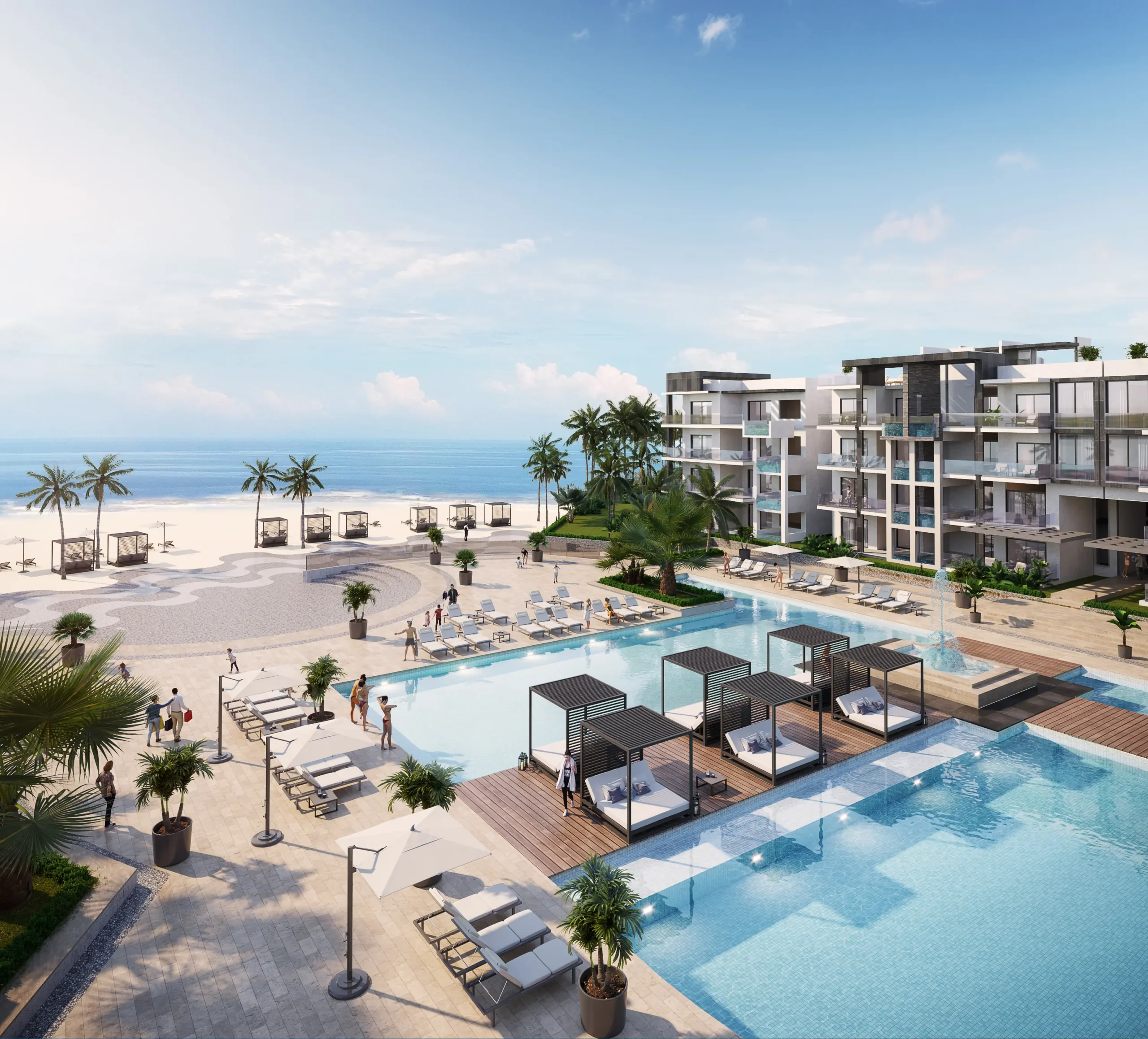
Learn about the ongoing costs of owning property in the Dominican Republic
The cost of owning property in the Dominican Republic does not end once the purchase price and closing costs have been paid. A realistic ownership budget should also include condominium fees, utilities, insurance, routine maintenance, replacement reserves, property management, and taxes.
Owners who rent out their property should also distinguish between gross booking revenue and the actual cash remaining after operating expenses are deducted.
Condominium or Community Fees
Apartments and homes located within managed communities usually contribute to the cost of security, common-area cleaning, landscaping, swimming pools, lighting, administration, and shared infrastructure.
Both the amount charged and the services included can vary significantly. Owners should request the current budget, payment schedule, rules regarding future increases, and information about any special assessments.
A low monthly fee is not automatically an advantage if the condominium has insufficient reserves or postpones necessary maintenance. Ask how major repairs to roofs, elevators, pumps, swimming pools, roads, and building façades are funded.
Electricity and Air Conditioning
Electricity can be one of the most variable ownership costs, particularly in vacation rentals where guests control the air conditioning.
Owners should understand the metering system, billing method, backup power arrangements, and whether electricity for common areas is already included in the condominium fee.
Energy-efficient appliances, regular maintenance, and clear guest instructions can help reduce unnecessary consumption, but comfort standards must remain realistic.
Unexpected electricity surcharges should not be introduced after a booking has been made unless they were clearly disclosed in advance and are permitted under the platform rules and rental agreement.
Internet, Television, Water, and Gas
Reliable internet is an essential service for both owners and guests. The budget should include installation, monthly subscription costs, equipment replacement, and occasional technician visits.
Water may be billed directly, included in condominium fees, or supplied through the community’s own system. The way cooking gas is charged also depends on the individual property.
Routine and Preventive Maintenance
- Cleaning and servicing air-conditioning systems.
- Pest control visits.
- Inspection of plumbing, drains, and water heaters.
- Silicone sealing, grout maintenance, and moisture-related repairs.
- Maintenance of doors, windows, locks, and access cards.
- Servicing and replacement of appliances.
- Painting and protection against corrosion and exterior wear.
- Pool and garden maintenance for private villas.
Preventive maintenance should be included in the annual budget. Waiting until something fails often leads to emergency service costs, guest refunds, and additional property damage.
Furniture, Linens, and Replacement Reserves
Items inside a rental property naturally wear out over time. Towels become stained, glasses break, mattresses age, and outdoor furniture deteriorates.
Instead of treating every replacement as an unexpected expense, owners should maintain a dedicated replacement reserve. The appropriate amount will depend on the size of the property, the standard of furnishings, and the frequency of bookings.
Insurance and Risk Preparation
Insurance requirements depend on the property, the community, and any financing arrangements.
Owners should discuss building insurance, contents insurance, liability coverage, rental activity, and weather-related risks with a qualified insurance broker.
It is also important to confirm what is covered by the condominium’s insurance policy and what remains the individual responsibility of the owner.
Property Management and Local Representation
An owner living abroad may still pay for inspections and bill coordination even when the property is not being rented.
Full rental management typically adds pricing strategy, distribution channels, guest communication, cleaning supervision, maintenance coordination, and owner reporting.
When comparing management companies, focus on the scope of service rather than the commission percentage alone.
Dominican Property Tax: IPI
For 2026, the Dominican tax authority, DGII, states that individuals are generally subject to IPI at a rate of 1% on taxable real estate value exceeding RD$10,695,494, subject to applicable exemptions and valuation rules.
The threshold is updated periodically and should be verified for each tax year. Trust structures and corporate ownership may be treated differently.
IPI is based on the value recognized by the tax authority and the owner’s taxable real estate portfolio, rather than simply the price shown in a property listing.
Professional advice should be obtained for any specific ownership structure.
Income Tax and ITBIS on Rental Activity
Rental income may create Dominican income tax obligations.
DGII also indicates that tourist villas and apartments are not treated in the same way as exempt residential rentals for ITBIS purposes.
The correct tax treatment depends on the type of accommodation, services provided, invoicing structure, and the taxpayer involved. Airbnb also recommends that hosts in the Dominican Republic review their tax obligations or consult a qualified tax professional.
Build an Annual Ownership Budget
Divide the ownership budget into three categories: fixed costs, variable operating expenses, and reserves.
Fixed costs may include condominium fees, internet, insurance, and property management.
Variable costs may include electricity, cleaning, and repairs.
Reserves should be used to fund furniture replacement, appliances, painting, and larger unexpected maintenance work.
For rental properties, compare the annual total with net rental income rather than gross revenue shown by booking platforms.
For properties used privately, compare the annual budget with the value the owner receives from availability, security, and proper maintenance of the property.
Frequently Asked Questions
Does CONFOTUR eliminate all taxes and operating costs?
No. A qualifying project may benefit from specific statutory tax exemptions, but utilities, condominium fees, maintenance, management costs, and many other expenses still remain.
The exact benefits and the period for which they apply should be verified for the specific project and owner.
Does the tenant pay condominium fees?
The economic cost may be included in the rental price, but the legal responsibility for payment depends on the rental agreement and the condominium rules.
The owner should ensure that all condominium fees are paid on time.
How much should an owner set aside for maintenance?
There is no universal percentage.
The appropriate reserve should depend on the age of the property, coastal exposure, appliances and equipment, furnishing standard, and the intensity of rental use.
Velcaya can prepare an annual operating budget and maintenance schedule for a specific property in the Dominican Republic, including owner reporting and clear rules for expense approval.
Explore more articles
See similar guides and inspiration from our blog.

How to Choose a Property Manager in the Dominican Republic
Best Property Management Company in Punta Cana Choosing a property management company in the Dominican Republic should be treated as selecting an operational partner,…
Read more
Vacation Rental Setup Checklist in Punta Cana
How to prepare an Airbnb in Punta Cana? A successful vacation rental should be designed for repeated guest use, not only around the owner's…
Read more
Airbnb, Booking, or One Tenant for the Whole Year?
Short-Term or Long-Term Rental in Punta Cana, Bávaro, and Bayahibe? Airbnb or long-term rental in Punta Cana? Which strategy is better for a property…
Read more